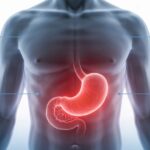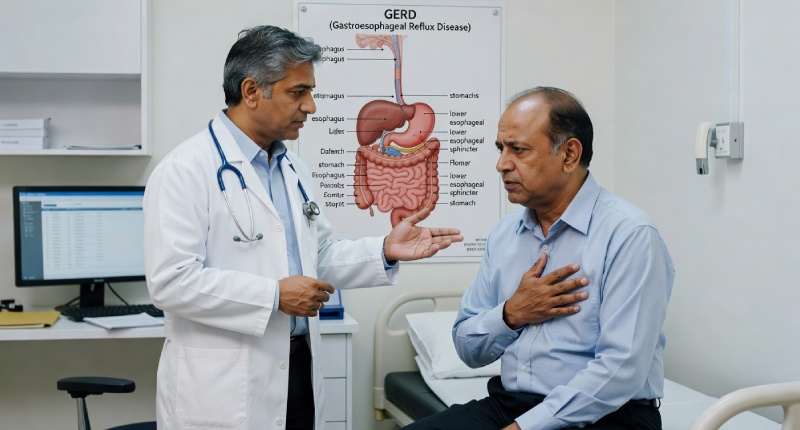
What is GERD?
GERD (Gastroesophageal Reflux Disease) is a chronic condition where stomach acid flows back into the esophagus, causing discomfort.
Don’t ignore it—manage it early!
- Why it happens: The lower esophageal sphincter (LES) weakens or relaxes improperly.
- How it affects you: Acid irritates the esophagus, leading to pain, inflammation, and complications.
- Difference from heartburn: Heartburn is a symptom; GERD is frequent and severe.
- Prevalence: Affects ~20% of adults globally.
Symptoms to Watch For
Common:
- Burning chest/pain (worse at night, after meals)
- Sour/bitter taste (acid in mouth)
- Trouble swallowing (feeling of food stuck)
Other signs:
- Respiratory: Cough, hoarseness, wheezing, asthma-like symptoms
- Digestive: Bloating, nausea, burping, gas
- Oral/Dental: Tooth erosion, bad breath, sore throat
- General: Fatigue, sleep disturbances, anxiety
Red flags (see a doctor immediately):
- Difficulty swallowing solids or liquids
- Blood in vomit/stool (black/tarry stools)
- Unexplained weight loss
- Severe chest pain (rule out heart issues)
When to See a Doctor?
Immediate:
- Severe chest pain (rule out heart attack)
- Difficulty breathing
- Vomiting blood
Schedule:
- Symptoms >2x/week
- No relief with OTC meds
- Trouble sleeping due to symptoms
Tip: Keep a symptom diary to share with your doctor.
When to See a Doctor?
Medical:
- Hiatal hernia, obesity, pregnancy
- Conditions: scleroderma, delayed stomach emptying
Lifestyle:
- Foods: Spicy, fatty, citrus, caffeine, alcohol, chocolate
- Habits: Large meals, lying down post-food, smoking
- Medications: Aspirin, NSAIDs, muscle relaxants
Manageable factors:
- Stress, tight clothing, dehydration
Diagnosis
Steps:
- Medical history: Discuss symptoms, lifestyle, and family history.
- Physical exam: Check for signs of complications.
Tests:
- Upper endoscopy (EGD): Camera checks esophagus lining
- pH monitoring: Measures acid levels over 24 hours
- Barium swallow: X-ray of the esophagus
- Esophageal manometry: Measures muscle contractions
- Trial treatment: Prescribed PPIs to see if symptoms improve
- Why it’s needed: Rules out ulcers, cancer, or other conditions
Tip: Don’t self-diagnose. Consult a gastroenterologist.
Manage GERD Easily
1. Food Fixes:
- Eat small, frequent meals
- Avoid triggers (identify your)
- Best foods: Oatmeal, lean proteins, non-citrus fruits, veggies, ginger
- Worst foods: Fried, spicy, acidic (tomato, citrus)
2. Daily Habits:
- Elevate head (6–8 inches) while sleeping
- Chew sugar-free gum (boosts saliva)
- Lose weight, quit smoking
- No eating 3 hours before bed
3. Meds:
- Antacids (Tums): Quick relief
- H2 blockers (Ranitidine): Reduce acid
- PPIs (Omeprazole): Long-term (consult doctor)
4. Stress management:
- Yoga, meditation, deep breathing
5. Track symptoms:
- Note food, time, severity
Complications If Untreated
- Esophageal ulcers, narrowing (stricture)
- Barrett’s esophagus (cancer risk)
- Respiratory issues, tooth decay
- Chronic pain, bleeding
Tip: Early treatment reduces risks.
Prevent GERD
- Eat mindfully: Chew slowly, avoid overeating
- Stay hydrated (water, not acidic drinks)
- Exercise: Light activity (walking)
- Avoid tight clothes, heavy lifting
- Manage stress
Myths vs Facts
Myth: GERD is just indigestion.
Fact: Chronic, needs management.
Myth: Avoid all acidic foods.
Fact: Find your triggers.
Myth: it will heal on its own.
Fact: Needs treatment.
Why Choose Us?
- Expert gastroenterologists
- Personalized plans
- Multilingual support
- State-of-the-art facilities
- 24/7 follow-up
Frequently Asked Questions (FAQs)
Can GERD be cured permanently?
Managed with lifestyle + meds; surgery is rare.
How to stop GERD symptoms ASAP?
Take antacids, sip water, avoid triggers.
Does GERD cause chest pain? Is it serious?
Yes, but see a doctor to rule out heart issues.
Best foods to eat with GERD?
Oatmeal, lean proteins, non-citrus fruits, veggies.
Can stress cause GERD?
Worstens symptoms. Manage with yoga.
Is it safe to take GERD medicine daily?
Consult a doctor.
Can GERD lead to cancer?
Untreated long-term GERD raises risk. See a doctor.
How to sleep with GERD?
Elevate head, sleep on the left side.
When should I see a doctor for GERD?
Symptoms >2x/week, difficulty swallowing, bleeding, or weight loss.